This film (released in Ethiopia in 2012) was the centerpiece of the festival; the theater was almost full when I went to see it on a Saturday night. The audience included viewers of Ethiopian and Eritrean heritage, particularly in their 20s and 30s. My friend had seen it the previously and raved about it. Writer/director Theodros Teshome (who held an after-show Q&A w/ two of the lead actors) was inspired to write this film after hearing the story of a fellow Ethiopian man’s dangerous/illegal journey to the U.S. Teshome then performed some research, and discovered hundreds of similar stories of immigration. He quickly realized that this story had to be told.
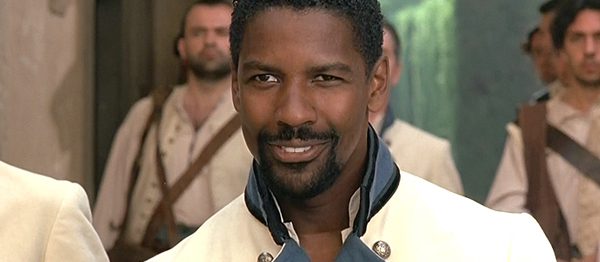
Kaleab (Solomon Bogale, dubbed “the Denzel Washington of Ethiopia”) is part of a small group of Ethiopians being led through the desert by an Arab guide (who is dressed traditionally in a white jilbab and turban). The Arab carries a rifle for protection, but he also uses it to threaten the group. We learn that Kaleab’s good friend, Jemal, and his young wife are leaving b/c they eloped against her parents wishes. Jemal provides some well-needed humor, but he can also fight (though short and wiry).
Along the way, this group merges with a small band of Eritreans, which includes a young woman named Winta (Mahder Assefa). Unlike some of the others, Winta doesn’t have a relative or friend traveling w/ her, so Kaleab watches out for her. Jemal and his wife urge Kaleab to speak to Winta, though he is shy/reluctant. There’s more than love in the air- they must deal w/ a sand storm, then another storm at sea (on the way to Italy). One man (who used to be a soldier/lived overseas) is heartbroken when he loses his lovely young wife to pneumonia after landing in Italy. He wails and says he doesn’t have the desire to go on, leaving her body buried in a strange land. The others, particularly Jemal, convince him to forge ahead.
On the journey, Kaleab helps Winta, then she returns the favor (in a big way) when they reach Mexico. Shared hardship, respect, and kindness between them grows into love. I think this theme of the story helped the viewers deal w/ the hardships- a bit of hope, silver lining, and such. I was surprised that such a serious tale could be told w/ bits of (real-world) humor. The audience enjoyed the film a LOT- I could tell from reactions during and comments afterward.
In the Q&A session, Teshome said that there will be a part two of this story, which will be about these characters’ lives in America. He explained that it’s very difficult to make a film in Ethiopia, though there is a wealth of acting talent and a great interest in movies from the general public. The special effects had to be created in LA, which took up most of the (VERY modest, even for an indie film) $650,000 budget. The cast and crew spent four days shooting in the desert. It takes a good chunk of money to get theaters to screen films, but after two shows at AFI, more were added at the Columbia Heights Educational Center. One woman said that she came all the way from Ohio to attend this festival-WOW!